
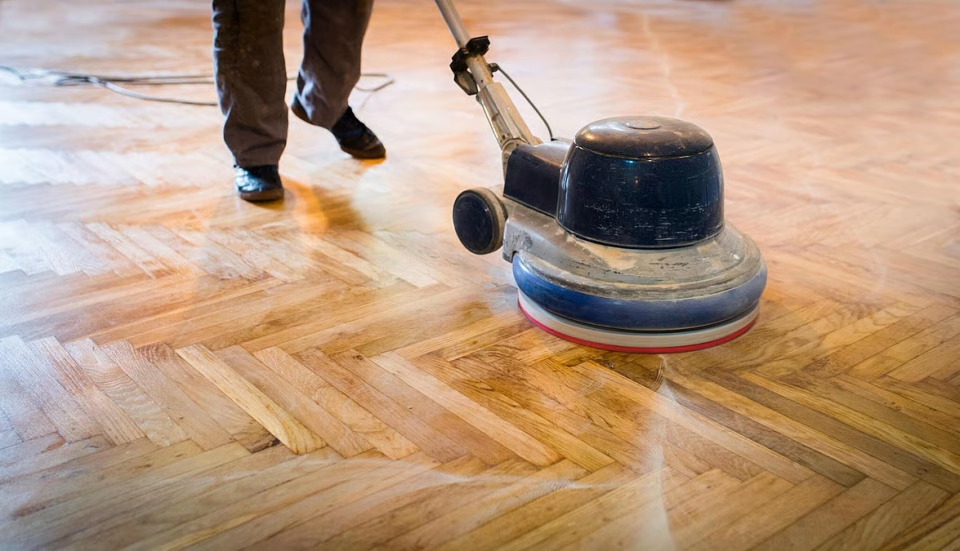
Hardwood floors add warmth, elegance, and long-term value to any home or commercial space. Over time, however, daily wear, scratches, and fading can reduce their appearance and protective finish. Floor sanding is an effective way to restore wood surfaces, but traditional sanding methods often created large amounts of dust, which could spread throughout the property. Modern dust-free sanding techniques have transformed the restoration process, making it cleaner, safer, and more convenient for homeowners.
Choosing advanced sanding methods helps preserve indoor air quality while achieving professional results.
The Challenges of Traditional Floor Sanding
Conventional sanding methods generated fine wood particles that could settle on furniture, walls, and ventilation systems. Cleaning after the project often required significant time and effort. For individuals with allergies or respiratory sensitivities, dust exposure could also create discomfort.
These challenges sometimes discouraged homeowners from refinishing their floors, even when restoration was necessary. Fortunately, technology has evolved to address these concerns through dust-controlled systems.
Modern sanding equipment now includes powerful vacuum systems that capture particles during the sanding process, reducing airborne debris significantly.
How Dust-Free Sanding Technology Works
Dust-free sanding systems use specialized machinery connected to high-efficiency vacuum units. As the sanding equipment removes the top layer of wood, dust is immediately captured and stored in sealed containers. This prevents particles from spreading into the surrounding environment.
The result is a cleaner workspace with minimal disruption to the home. Homeowners can continue daily activities with less inconvenience compared to traditional sanding methods.
This technology also improves visibility for technicians, allowing them to achieve more precise and consistent results.
Benefits Beyond Cleanliness
Dust-free sanding offers advantages that go beyond maintaining a tidy environment. Improved air quality reduces health concerns and creates a more comfortable experience for occupants. The reduced cleanup time also shortens the overall project duration, allowing homeowners to return to normal routines more quickly.
Additionally, dust-controlled systems help protect furniture, electronics, and decorative items from contamination. This reduces the need for protective coverings and post-project cleaning.
These benefits make dust-free sanding a preferred choice for modern floor restoration.
Enhancing Floor Appearance and Longevity
Sanding removes damaged layers, scratches, and stains from hardwood floors, revealing fresh wood beneath. After sanding, protective finishes are applied to enhance durability and appearance. These finishes help resist moisture, stains, and daily wear.
A restored floor improves the visual appeal of any space while extending its lifespan. Instead of replacing flooring, sanding provides a cost-effective way to achieve a refreshed look.
Professional refinishing also increases property value by improving interior aesthetics.
Choosing Professional Expertise for Best Results
Floor sanding requires experience, precision, and the right equipment. Professionals assess the condition of the wood, determine the appropriate sanding depth, and select suitable finishes. This expertise ensures that the restoration process enhances the floor without causing damage.
Reliable specialists also communicate clearly about timelines, expectations, and maintenance recommendations. Working with experienced professionals helps homeowners achieve consistent and long-lasting results.
For those seeking advanced restoration solutions, sablage sans poussière Mebesa offers services focused on combining efficiency with cleanliness. Professional techniques help restore hardwood floors while minimizing disruption to the living environment.
Maintaining Floors After Sanding
After refinishing, proper maintenance helps preserve the restored surface. Regular cleaning with gentle products prevents buildup and protects the finish. Using protective pads under furniture and avoiding excessive moisture also contributes to longevity.
Routine care reduces the need for frequent refinishing and keeps floors looking attractive for years. Periodic inspections allow minor wear to be addressed early.
Consistent maintenance plays a key role in protecting the investment.
Long-Term Value of Modern Sanding Solutions
Dust-free sanding not only improves convenience but also supports long-term floor durability. A well-maintained hardwood surface enhances comfort, aesthetics, and property value. Homeowners benefit from a cleaner process while enjoying professional restoration results.
Investing in modern sanding technology reflects a commitment to quality and efficiency.
Final Thoughts
Dust-free floor sanding has transformed the way hardwood restoration is performed. By combining advanced technology with professional expertise, homeowners can achieve beautiful floors without the inconvenience of traditional dust-heavy methods.
Choosing experienced specialists and maintaining floors properly ensures long-lasting results. With the right approach, hardwood restoration becomes a practical and rewarding investment for any property.
