
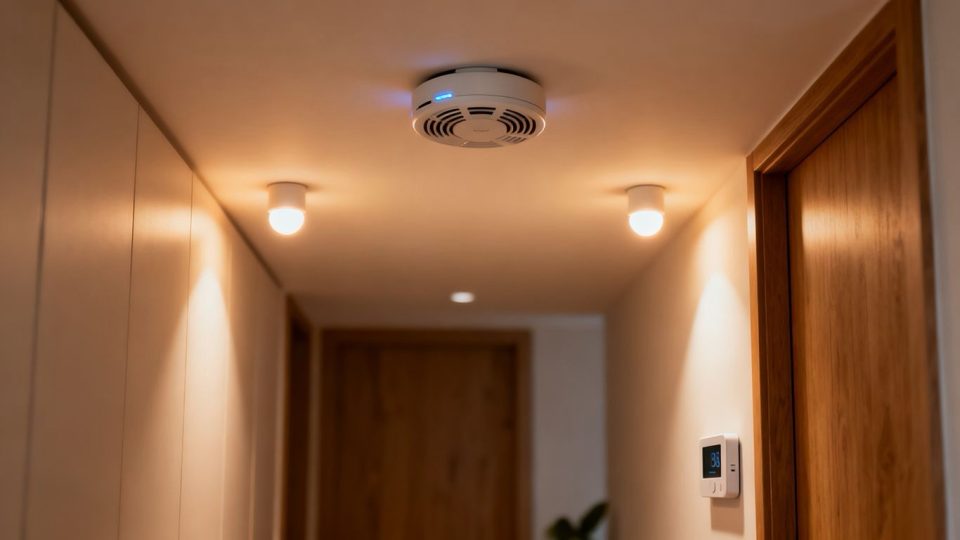
Smart Smoke Detectors For Real-Time Alerts
Smart smoke detectors represent a significant step forward from their traditional counterparts. These devices are designed to send immediate notifications directly to your smartphone or other connected devices. This means you can be alerted to a potential fire even when you are away from home, providing a critical window for action. Beyond just alerts, some advanced systems can integrate with your home’s air handling units, automatically shutting them down to limit smoke spread during an emergency. They can also be linked to a central monitoring station, which can then alert emergency services. This capability offers a layer of protection that goes beyond simple in-home alarms, potentially minimizing damage and saving lives. For instance, some new algorithms can identify smoldering fires much earlier than older methods [57ad].
Understanding Smart Heat Detectors
While smoke detectors are standard, smart heat detectors offer an alternative or complementary approach, particularly useful in areas where traditional smoke detectors might trigger false alarms. These devices work by sensing temperature changes. There are two main types: fixed temperature detectors, which activate when a specific temperature is reached, and rate-of-rise detectors, which trigger when the temperature increases very rapidly. Many modern smart heat detectors include both capabilities. They are not typically meant to replace smoke detectors in sleeping areas but serve as a valuable addition to overall fire detection strategy. By detecting heat early, they can help stop a small fire before it grows out of control.
Interconnected Systems For Comprehensive Coverage
One of the most impactful features of smart fire detection systems is their ability to interconnect. When one detector senses smoke or heat, it can trigger all other connected detectors throughout the home to sound an alarm. This ensures that everyone in the house is alerted immediately, regardless of where the fire starts. This interconnectedness creates a unified alert system, making evacuation quicker and safer. Many of these systems can also be integrated into a broader smart home security setup, providing a more robust safety net.
Smart Batteries For Existing Detectors
Upgrading your entire home to new smart detectors might seem like a big undertaking. Fortunately, there’s an option for those looking to add smart capabilities to their existing smoke and heat detectors: smart batteries. These specialized batteries can power your current detectors and connect them to your home network. This allows you to receive smartphone alerts from your existing devices, much like you would with a new smart detector. They can also notify you when the battery is running low, preventing those annoying chirps in the middle of the night and ensuring your detectors are always ready. This is a cost-effective way to gain some of the benefits of smart detection [3c92].
Preventing Kitchen Fires With Smart Appliance Technology
Kitchens are often the heart of the home, but they can also be a significant source of fire risk. Unattended cooking is a leading cause of home fires, making smart technology a valuable ally in preventing these incidents. Fortunately, advancements in smart appliance technology offer new ways to keep kitchens safer.
Smart Stovetop Fire Prevention Systems
These systems are designed to tackle the problem of cooking fires head-on. Using motion-sensing technology, they can detect if a cook has left the kitchen unattended. If no movement is registered for a set period, the system initiates a countdown, after which it will automatically shut off the stove. This feature provides a critical safety net, especially for busy households or individuals who might get distracted. It’s a proactive measure that can stop a minor oversight from turning into a major disaster. Consider looking into a Safe Smart Cooking System for your home.
Automated Shut-Off For Unattended Cooking
Building on the stovetop systems, the concept of automated shut-off extends to other appliances. The primary goal is to remove the danger posed by appliances left running without supervision. This technology acts as a vigilant guardian, stepping in when human attention wavers. It’s about creating a safer cooking environment through intelligent automation, reducing the likelihood of fires caused by simple forgetfulness.
Remote Appliance Control With Smart Plugs
Smart plugs offer a versatile way to manage appliance power and add a layer of safety. These devices allow you to control appliances remotely through a smartphone app. Beyond simple on-off control, some smart plugs can be programmed to automatically cut power to devices when they are not in use, or at specific times. This is particularly useful for appliances that might pose a fire risk if left on too long, like portable heaters or even older toasters. They also provide peace of mind, allowing you to check if an appliance was accidentally left on after you’ve left the house, offering a simpler way to enhance safety.
Enhancing Home Safety With Smart Electrical Monitoring
Beyond smoke and heat, the electrical system within a home presents its own set of fire risks. Smart electrical monitoring devices offer a proactive way to identify and address potential hazards before they escalate into dangerous situations. These technologies provide a window into the health of your home’s wiring and appliance usage, helping to prevent fires that might otherwise go unnoticed.
Smart Plugs To Manage Appliance Power
Smart plugs are a simple yet effective tool for managing the power consumption of individual appliances. By plugging an appliance into a smart plug, you gain the ability to control its power remotely through a smartphone app. This allows for several safety benefits:
- Scheduled Power-Off: You can program appliances to turn off automatically at certain times, which is particularly useful for devices that might be a fire risk if left running unattended, like space heaters or irons.
- Remote Deactivation: If you leave home and are unsure if an appliance was turned off, you can check and switch it off remotely, reducing the chance of an electrical fault causing a fire.
- Energy Savings: While not directly a fire prevention measure, managing power usage can also lead to reduced energy bills.
Monitoring For Electrical Faults
Some smart home devices are specifically designed to monitor the electrical system for anomalies that could lead to fires. Devices like the Ting sensor, for example, can be plugged into your electrical panel or outlets to watch for signs of electrical issues. These systems analyze the electrical flow in your home and can detect problems such as:
- Arc faults, which are sparks that can ignite nearby materials.
- Overloaded circuits.
- Faulty wiring or connections.
These systems provide real-time alerts to your phone when a potential hazard is detected, allowing for prompt inspection and repair by a qualified electrician. This type of monitoring is especially beneficial for older homes where wiring may be more susceptible to wear and tear. You can find more information on these types of sensors at Ting electrical fault detectors.
Reducing Risks From Unplugged Appliances
While often overlooked, even appliances that are turned off but still plugged in can pose a risk. Faulty internal components or power surges can sometimes cause fires in devices that are not actively in use. Smart plugs can help mitigate this risk by allowing you to completely cut power to appliances when they are not needed. This is particularly relevant for electronics that draw
Integrating Smart Home Fire Prevention Into Security Systems
Bringing smart fire prevention tools into your existing home security setup can really boost your home’s safety. It’s not just about having alarms; it’s about creating a connected system that reacts quickly.
Centralized Monitoring For Prompt Alerts
When you link smart fire detectors, like smoke and heat sensors, to a security system, you get a central hub for all alerts. This means if a detector senses trouble, the signal doesn’t just sound a local alarm. Instead, it can be sent directly to a monitoring center. These centers are staffed 24/7 and can verify the alarm and dispatch emergency services. This setup is a big step up from relying solely on audible alarms that might not be heard.
- Real-time notifications are sent to your phone and the monitoring service.
- The system can automatically shut down air handling units to stop smoke from spreading.
- Integration with services like Vivint, ADT, and Abode provides a robust framework.
Automated Responses To Fire Events
Beyond just alerting, integrated systems can trigger automatic actions. For instance, smart smoke detectors can communicate with other smart devices. If smoke is detected, the system might automatically turn on all the lights in the house, making evacuation easier. It can also send commands to smart locks to unlock doors, simplifying escape routes. Some advanced systems can even shut off the main gas or electricity supply to prevent further hazards.
Smart Home Integration For Enhanced Safety
Connecting your fire safety devices to a broader smart home ecosystem means they work together. This synergy creates a more responsive and intelligent safety net. For example, a smart heat detector can trigger your smart thermostat to shut off your HVAC system, preventing the circulation of smoke. Similarly, smart plugs can be programmed to cut power to non-essential appliances, reducing potential ignition sources. This interconnectedness is key to a truly proactive fire safety strategy, offering more than just detection, but active prevention and mitigation. Having devices like smart smoke and carbon monoxide alarms as part of this network provides layered protection.
The Role Of Insurance Agents In Promoting Smart Home Fire Prevention
Insurance agents have a unique position to help homeowners reduce fire risks by talking about smart home technology. It’s not just about selling policies anymore; it’s about being a trusted advisor for safety. Many people don’t think about fire prevention until something happens, but smart devices can catch problems early. Agents can bridge this gap by explaining how these tools work and why they matter.
Here’s how agents can guide their clients:
- Educate clients on risk mitigation: Agents can show clients how smart smoke detectors, smart plugs, and even smart stovetops can prevent fires before they start. For instance, a smart plug can turn off an appliance that’s been left on, and smart stovetops can shut off automatically if no one is around. This proactive approach can save homes and lives. Some insurance providers, like those partnered with Ting, even offer free devices to help detect hazards [bd93].
- Encourage adoption of safety technologies: By discussing the benefits, agents can motivate clients to invest in these devices. It’s about framing these technologies not as an extra expense, but as a way to protect their property and loved ones. Agents can highlight how these systems provide real-time alerts directly to a smartphone, allowing for quick action.
- Discuss potential insurance premium discounts: Many insurance companies are starting to recognize the value of smart home safety. Agents can inform clients about potential discounts for homes equipped with these technologies. For example, State Farm offers homeowner policyholders a free Ting device to help protect against electrical fires [cb66]. This can be a strong incentive for clients to upgrade their home safety systems.
By sharing practical tips and highlighting the advantages, insurance agents can help clients make informed decisions about smart home fire prevention. This not only improves home safety but also strengthens the agent-client relationship, positioning the agent as a valuable partner in risk management.
Advanced Smart Home Features For Fire Safety
Beyond the foundational smart smoke and heat detectors, a suite of advanced smart home features offers further layers of protection against fire hazards. These technologies aim to provide immediate notification and automated responses, making homes safer.
Voice Alerts For Immediate Notification
Some smart fire safety systems go a step further by incorporating voice alerts. Instead of just a siren, these systems can announce the nature of the emergency and its location within the home. For instance, a detector might announce, “Fire detected in the kitchen,” allowing occupants to react more quickly and appropriately. This spoken warning can be particularly helpful for children or individuals with hearing impairments, providing clear, actionable information during a stressful event.
Integration With Smart Assistants
Smart fire detection devices can often be linked with popular smart assistants. This integration allows for voice control and status checks. You might ask your assistant, “Is the smoke alarm okay?” and receive a verbal confirmation. This interconnectedness means that in the event of a fire, the smart assistant could potentially trigger other actions, like turning on all the lights to aid evacuation or unlocking smart locks for easier entry by emergency services. This level of automation is a significant step in proactive home safety.
Remote Monitoring Capabilities
One of the most significant advantages of smart fire safety technology is its remote monitoring capability. Through a dedicated smartphone app, homeowners can receive real-time alerts no matter where they are. This means you could be notified of a potential fire while on vacation or at work, allowing you to contact emergency services immediately. These systems provide continuous oversight, offering peace of mind that your home is protected around the clock. Connected fire safety systems provide enhanced reliability through remote monitoring, instant mobile alerts, and automated emergency responses [f45e]. Smart smoke alarms offer a key advantage by sending smartphone notifications when smoke is detected, allowing for prompt action [1339].
