
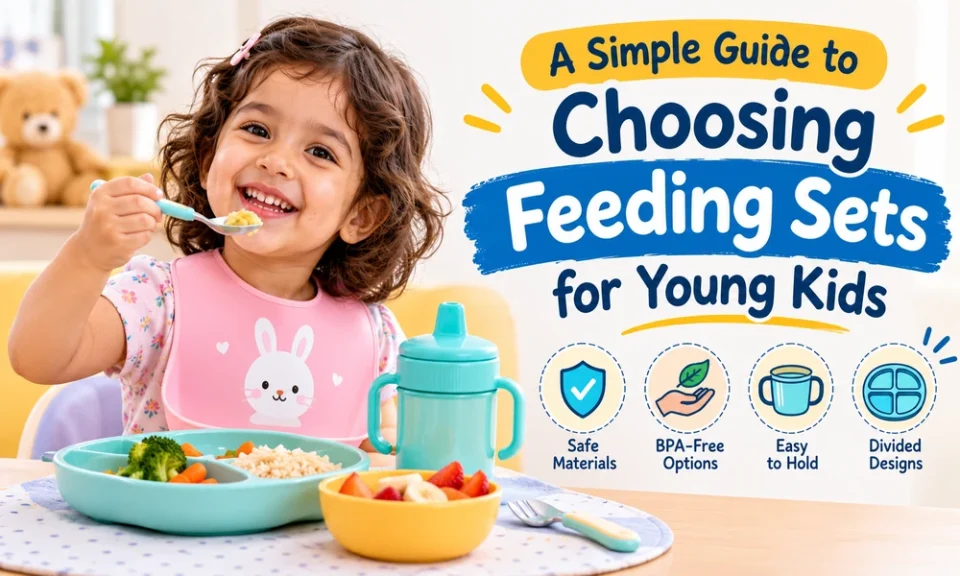
Mealtimes are an important part of a child’s daily routine. From exploring new flavours to learning how to eat independently, young children gradually develop habits that stay with them as they grow. Having the right feeding set for kids can make this experience more organised, enjoyable, and comfortable. However, choosing suitable plates, bowls, spoons, and cups involves more than picking colourful designs. Material quality, size, ease of cleaning, and age suitability all matter when selecting everyday feeding essentials.
Why Does Choosing the Right Feeding Set Matter?
Children often learn through exploration, and mealtimes are no different. They may want to hold their spoons, pick up food themselves, or drink from their own cups. Appropriate feeding accessories can make these small activities easier while encouraging independence.
A well-designed kids feeding set can also help parents organise meals without constantly searching for separate utensils. Having matching plates, bowls, and cups in one collection creates a convenient arrangement for everyday use.
Another important consideration is the child’s changing needs. A feeding set suitable for a baby beginning solid foods may not offer the same convenience as one designed for an active toddler. Choosing age-appropriate products makes everyday feeding more practical.
What Should a Kids’ Feeding Set Include?
Feeding sets are available in different combinations, depending on the child’s age and intended use. Some collections contain only basic utensils, while others include additional accessories for a more complete mealtime arrangement.
Plates and Bowls for Different Foods
Plates and bowls are among the most frequently used items in a kids dinnerware set. Plates with divided sections can help keep different food items separate, while deeper bowls are useful for dishes such as porridge, yoghurt, soups, and cereals.
Look for rounded edges, suitable dimensions, and a design that is easy for small hands to manage. A bowl with a stable base may also help reduce accidental spills during supervised meals.
Spoons, Forks, and Cups
The right baby feeding utensils can make self-feeding more comfortable as children develop their coordination. Smaller spoons with appropriately sized handles are generally easier for young children to hold than regular adult cutlery.
Cups should also suit the child’s developmental stage. Some sets include training cups or easy-grip designs that help children gradually become familiar with drinking independently.
How to Choose the Right Material
The material used in a feeding set affects its weight, durability, maintenance, and suitability for different types of food. Understanding the available options can help you make a more informed decision.
Silicone Feeding Sets
Food-contact-grade silicone is commonly used in children’s feeding products because it is flexible and lightweight. Some products also feature suction bases that can help reduce movement on suitable smooth surfaces.
However, suction does not make a bowl completely spill-proof. Always supervise young children during meals and check the manufacturer’s instructions for cleaning and temperature limits.
Stainless Steel Feeding Sets
Stainless steel is another option for everyday children’s utensils and dinnerware. It is generally durable, resistant to rust when properly manufactured and maintained, and relatively easy to clean.
Check the quality of the finish and look for smooth edges without sharp corners. Stainless steel products may also be heavier than some alternative materials.
Plastic and Other Materials
Plastic feeding products are lightweight and convenient to carry. When considering a BPA-free feeding set, remember that BPA-free labelling alone does not establish overall product safety. Check that the product is intended for food contact and follow the manufacturer’s care and temperature instructions.
Bamboo-based and other alternative materials are also available. Their coatings, adhesives, and cleaning requirements should be reviewed before purchasing.
Important Features to Look for Before Buying
A feeding set should be designed around everyday usability rather than appearance alone. Bright colours, attractive prints, and playful characters may catch a child’s attention, but practical features determine how useful the product will be over time.
Consider these factors when comparing different options:
- Age suitability: Choose utensils and accessories appropriate for your child’s developmental stage.
- Safe construction: Check for smooth edges, secure components, and food-contact suitability.
- Grip and stability: Look for comfortable handles and stable bases that suit the intended use.
- Size and weight: Select products that children can manage comfortably.
- Cleaning requirements: Check whether the items are dishwasher-safe or require hand washing.
- Durability: Inspect the product for cracks, loose parts, or signs of wear.
These details can help you find a practical toddler feeding set that fits into your family’s everyday routine.
Make Mealtimes More Comfortable and Enjoyable
Children are more likely to become familiar with feeding routines when their surroundings feel comfortable and welcoming. Using appropriately sized utensils and allowing children to explore food at their own pace can make mealtimes a more positive experience.
Choose products that are easy to arrange and clean after use. When exploring children’s lifestyle collections from brands such as LittleBird, consider how the feeding accessories fit your child’s age, eating habits, and everyday requirements rather than choosing only by colour or design.
A few simple habits can also make daily feeding easier:
- Seat your child upright in a suitable feeding chair.
- Keep hot foods and drinks at a safe temperature before serving.
- Supervise children throughout meals.
- Avoid utensils and accessories with small detachable components.
- Clean feeding products after every use and check them regularly for damage.
How to Maintain Feeding Sets for Everyday Use
Regular cleaning is important because food residue can collect around edges, handles, and joints. An easy-to-clean feeding set can make this task simpler for parents, particularly when products are used several times throughout the day.
Follow the manufacturer’s cleaning instructions for each material. Avoid using products beyond their recommended temperature limits, and inspect plates, bowls, and utensils for cracks or damaged surfaces. Replace items that become worn or broken.
It is also useful to store feeding accessories in a clean, dry place and keep them separate from products used for general household cleaning.
Conclusion
Choosing the right feeding accessories involves understanding your child’s needs, eating habits, and developmental stage. From selecting suitable materials to checking dimensions, safety features, and cleaning requirements, every detail contributes to a more convenient mealtime experience. A thoughtfully selected feeding set for kids can make everyday meals easier to organise while helping young children become familiar with independent eating. Focus on practical design, age suitability, and reliable product information to find options that work well for your family’s daily routine.
