
Sprinkler systems are shut down for many reasons, including planned upgrades, pipe repairs, a burst line, or a failed valve. Whatever the cause, the building loses a major layer of protection while people may still be inside. Fire watch guards fill that gap with human surveillance until the water-based system is working again. This article explains how that process typically unfolds from the first valve closure to the final sign-off.
In these critical situations, bringing in professional fire watch guard services ensures that trained personnel are on-site immediately to assume risk detection responsibilities. Rather than relying on off-duty staff who may be distracted by routine tasks, these specialized guards focus exclusively on maintaining continuous monitoring and maintaining an active presence throughout the impacted areas. By acting as the eyes and ears of the property during an impairment, they keep the building compliant with local ordinances while safeguarding its occupants until normal operations resume.
Planning Before the Shutdown
Under NFPA 25, an impairment program begins before any work starts. The owner assigns an impairment coordinator, who determines the scope and expected length of the outage, tags the affected control valves, and informs the fire department, the insurer, the alarm monitoring company, and the occupants. When the shutdown is planned, the fire watch provider should be booked in advance so a guard is already posted when the valve closes rather than arriving hours later.
When a Fire Watch Becomes Necessary
The applicable threshold varies depending on the code adopted by your jurisdiction. NFPA 25 points toward evacuation or a fire watch when a system is out of service for more than ten hours in a 24-hour period, while NFPA 101 and many local rules use four hours. Emergency impairments in occupied buildings often call for immediate coverage, and insurers may impose terms stricter than the code itself. The fire marshal’s instruction always controls, so the first step is to ask what the local authority expects.
What Guards Do During the Outage
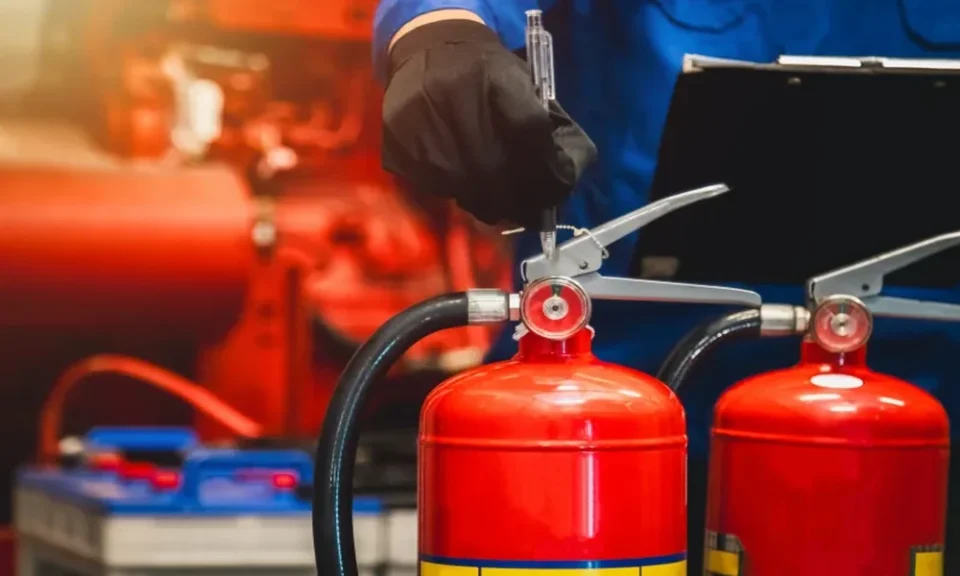
The guard is a dedicated person with no competing duties. He or she follows a defined route through every unprotected area at the interval the authority sets, commonly somewhere between fifteen and sixty minutes. Along the way, the guard watches for smoke, unusual heat, and odours, confirms that exits remain clear, checks that extinguishers are in place, and notes new ignition sources such as temporary heaters or hot work. A phone or radio stays within reach so the fire department can be called without delay. Guards do not repair pipes or operate valves, and they do not attempt firefighting beyond what an ordinary person could safely do with a portable extinguisher.
Documentation and Restoration
Every round is recorded with the time, location, observations, and any action taken. Gaps in the log look like gaps in protection, so entries are made as the work happens rather than filled in afterwards. When the contractor finishes, the coordinator verifies that the system is fully open and
operating, notifies the fire department, removes the tags, and only then authorises the watch to end. Standing the guard down too early is a common and costly mistake.
Conclusion
Sprinkler shutdowns are manageable when preparation, trained guards, and accurate records work together. Property owners who plan the impairment, confirm the requirements with their fire authority, and keep the watch in place until restoration is verified protect both their occupants and their compliance standing.
