
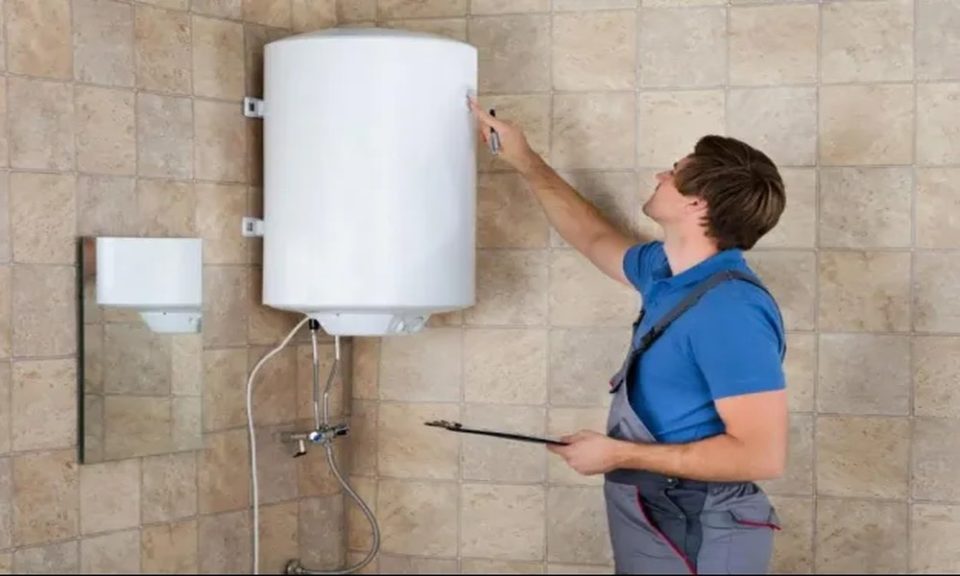
Upgrading your home’s hot water system is a decision that requires careful thought. Whether your current unit is ageing, inefficient, or simply no longer meeting your household’s needs, planning ahead can help you avoid unnecessary costs and complications.
A well-organised approach to water heater installation ensures not only better performance but also improved safety and energy efficiency. This guide walks you through each stage of the process, helping you make informed decisions from start to finish.
Assessing Your Current System
Before making any changes, it is important to evaluate your existing water heater. Understanding its condition and performance will help you determine whether a repair or full replacement is the better option.
Look for signs such as inconsistent water temperature, unusual noises, or visible leaks. Rising energy bills can also indicate inefficiency. Most systems have a lifespan of around 8-12 years, so age alone can be a deciding factor.
Taking note of your household’s water usage is equally important. A growing family or lifestyle changes may mean your current system is no longer suitable.
Choosing the Right Type of Water Heater
Selecting the right type of water heater is one of the most important steps in the upgrade process. Each system has its advantages, depending on your home’s layout and energy preferences.
Common options include:
- Storage tank heaters – Reliable and widely used, suitable for consistent demand
- Tankless (on-demand) systems – Provide hot water only when needed, improving efficiency
- Heat pump water heaters – Energy-efficient options that use ambient air to heat water
- Solar water heaters – Environmentally friendly but dependent on climate conditions
When considering a new system, think about energy consumption, installation space, and long-term running costs. Making the right choice early on simplifies the entire water heater installation process.
Understanding Capacity and Sizing
Choosing the correct size is essential for both performance and efficiency. An undersized unit will struggle to meet demand, while an oversized one can waste energy and increase costs.
To determine the appropriate capacity, consider:
- The number of people in your household
- Peak usage times (such as mornings or evenings)
- Simultaneous water use (showers, appliances, etc.)
Professionals often use usage patterns rather than just household size to recommend the ideal system. Proper sizing ensures a balanced and reliable supply of hot water.
Planning for Installation Requirements
Installing a new water heater involves more than simply replacing the old unit. There are several technical and safety considerations to address.
These may include:
- Adequate ventilation for gas systems
- Electrical capacity for modern units
- Proper drainage and pressure relief systems
- Compliance with local building regulations
If you are upgrading to a different type of system, additional modifications may be required. For example, switching from a tank to a tankless system could involve plumbing and electrical adjustments.
Planning these details in advance helps prevent delays and unexpected expenses during water heater installation.
Safety Considerations You Should Not Overlook
Safety should always be a top priority when upgrading any home system. Water heaters involve heat, pressure, and sometimes gas or electricity, all of which require careful handling.
Key safety factors to keep in mind include:
- Ensuring proper installation of pressure relief valves
- Maintaining safe distances from combustible materials
- Securing correct venting for gas-powered units
- Verifying electrical connections meet safety standards
- Installing shut-off valves for emergency situations
Even small oversights can lead to serious issues, so attention to detail is essential. Working with qualified professionals is strongly recommended to ensure everything is installed safely and correctly.
Budgeting for the Upgrade
A water heater upgrade is an investment, and understanding the full cost helps you plan effectively. The overall expense includes more than just the unit itself.
Typical cost factors include:
- Purchase price of the new system
- Labour and installation fees
- Potential upgrades to plumbing or electrical systems
- Disposal of the old unit
- Ongoing maintenance costs
While it may be tempting to choose the cheapest option, focusing on long-term efficiency often provides better value. Energy-efficient systems can reduce utility bills over time, offsetting the initial cost.
Preparing Your Home for Installation Day
Once you have selected your new system, preparing your home can help the installation process go smoothly.
Clear the area around your current water heater to give technicians easy access. Ensure there is enough space for equipment and tools. It is also helpful to discuss the installation timeline in advance so you can plan for any temporary disruption to your hot water supply.
Good preparation minimises delays and ensures the upgrade is completed efficiently.
Maintenance After Installation
After your new system is installed, regular maintenance is essential to keep it running efficiently and safely.
Routine tasks include:
- Flushing the tank to remove sediment build-up
- Checking for leaks or unusual noises
- Inspecting valves and connections
- Scheduling periodic professional servicing
A well-maintained system not only lasts longer but also performs more reliably. Proper care ensures you continue to benefit from your upgraded water heater installation for years to come.
Conclusion
Planning a safe water heater upgrade involves more than simply choosing a new unit. From assessing your current system to selecting the right size and preparing for installation, each step plays a crucial role in achieving the best results.
By taking a thoughtful and structured approach, you can improve efficiency, enhance safety, and ensure your home has a reliable supply of hot water. Investing time in proper planning ultimately leads to a smoother installation process and long-term peace of mind.
